ADHD Focus Workbook for Kids
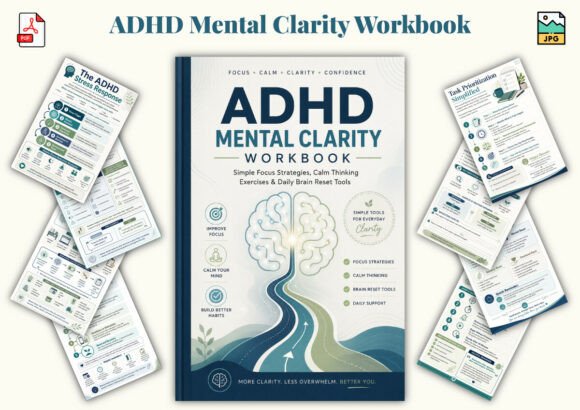
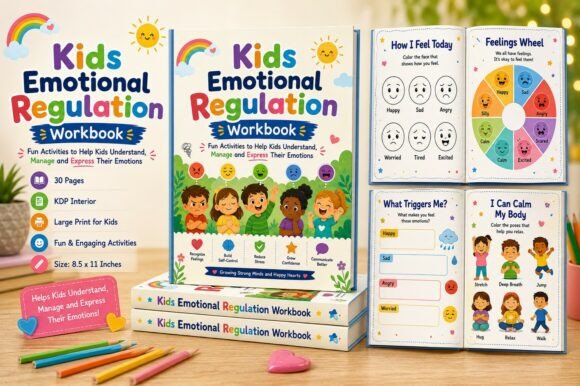
The ADHD Focus Workbook for Kids is a practical resource designed to help children develop essential focus and attention skills through engaging, interactive activities. This workbook serves as a valuable tool for parents, teachers, and caregivers who are looking for structured yet flexible ways to support kids in building daily habits, managing distractions, and improving their ability to concentrate on tasks. It fits seamlessly into a broader educational or developmental process, offering a blend of learning and fun that keeps children motivated and involved.
Understanding the Structure and Content
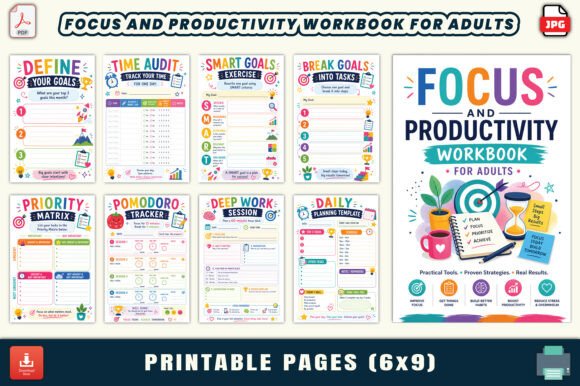
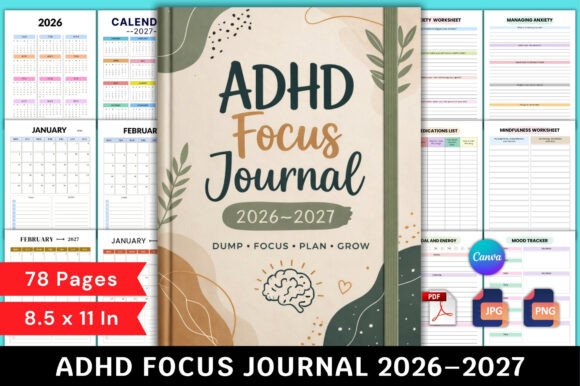
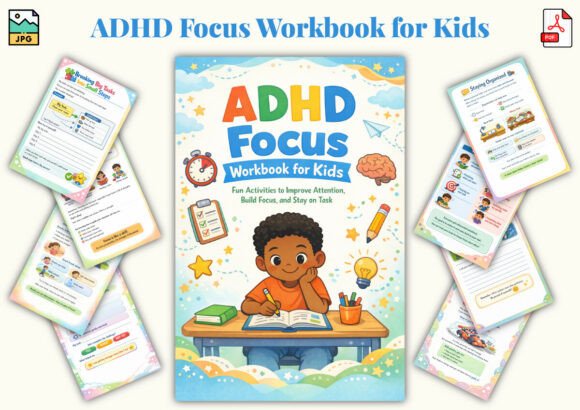
The workbook includes 30 beautifully designed pages filled with a variety of activities, worksheets, and exercises tailored to help kids build focus and attention. Each page is crafted with clear, kid-friendly instructions that make it easy for children to follow along without feeling overwhelmed. The content is organized to guide kids through different aspects of focus, from understanding how to manage distractions to setting goals and reflecting on their progress.
Key components of the workbook include:
- Interactive worksheets and activities that encourage hands-on learning
- Focus-building exercises designed to gradually increase attention span
- Reflection and goal-setting pages that help children think about their progress and set achievable targets
- Motivation and reward-based learning elements that reinforce positive behavior and achievements
The layout is bright, friendly, and clean, using easy-to-read fonts and minimal distractions to ensure that children can stay focused on the task at hand. This design makes the workbook accessible to kids of various ages and learning styles, ensuring that it remains engaging throughout the process.
What Kids Will Learn and How It Fits Into Daily Life
The ADHD Focus Workbook for Kids is more than just a collection of activities; it's a comprehensive approach to developing focus and attention skills that can be integrated into daily routines. By working through the workbook, children learn how to improve focus and attention, manage distractions, break big tasks into smaller steps, build daily routines, stay calm and organized, and develop positive habits.
This workbook is particularly useful when used before, during, or after specific tasks or projects. For example, a child might use it before starting homework to establish a routine, during a task to stay on track, or after completing a project to reflect on what worked well and what could be improved. This flexibility allows the workbook to be adapted to various scenarios, making it a versatile tool for both home and classroom settings.
When used consistently, the workbook helps children develop a sense of structure and predictability, which is crucial for managing ADHD symptoms. It also encourages self-awareness and self-regulation, allowing kids to recognize when they need to refocus or take a break. These skills are not only beneficial for academic tasks but also for social interactions, sports, and creative activities.
Integrating the Workbook Into Broader Workflows
The ADHD Focus Workbook for Kids can be integrated into a broader workflow by pairing it with other tools, resources, and strategies. For instance, it can be used alongside digital planners, timers, or apps that help track time and manage tasks. Parents and teachers can also use it in conjunction with visual schedules, checklists, and reward systems to create a cohesive environment that supports focus and attention development.
One practical implementation tip is to use the workbook as part of a morning routine. By starting the day with a few focus-building exercises, children can set a positive tone for the rest of the day. Similarly, incorporating reflection and goal-setting pages into an evening routine can help kids review their accomplishments and plan for the next day.
Another way to integrate the workbook is by using it as a supplement to traditional learning methods. Teachers can assign specific pages as homework or use them during class to reinforce concepts related to focus and attention. Parents can also use the workbook during family time, turning it into a shared activity that promotes bonding and learning.
For long-term use, it’s important to maintain consistency and provide regular feedback. Children should be encouraged to revisit their goals and reflections periodically to track their progress. This not only helps them see improvements over time but also reinforces the idea that developing focus is a continuous process.
Practical Implementation Tips and Workflow Examples
To get the most out of the ADHD Focus Workbook for Kids, consider the following tips and workflow examples:
Tip 1: Set a Consistent Time and Place
Choose a specific time and place for using the workbook each day. This helps establish a routine and makes it easier for children to transition into focus mode. A quiet, distraction-free space works best, especially for younger kids who may find it harder to concentrate in noisy environments.
Tip 2: Use Visual Cues and Reminders
Visual cues such as a timer, checklist, or calendar can help children stay on track. For example, placing a sticker on the workbook after completing a task can serve as a small reward and a visual reminder of progress.
Tip 3: Encourage Self-Monitoring
Teach children to monitor their own focus and attention levels. They can use the reflection pages to identify when they feel distracted or when they’re able to stay focused for longer periods. This self-awareness is key to developing effective strategies for managing ADHD symptoms.
Workflow Example: Morning Routine
Start the day by reviewing the previous day’s goals and reflections. Then, complete a focus-building exercise from the workbook, such as a mindfulness activity or a task-breakdown worksheet. End the routine with a quick goal-setting page to outline what needs to be accomplished for the day.
Workflow Example: After School Activity
After school, use the workbook to help children transition from play to homework. Begin with a short reflection on how they felt during the day, then move on to a task-breakdown worksheet to organize their homework. Finish with a reward-based activity from the workbook to reinforce positive behavior.
Workflow Example: Weekly Review
At the end of the week, use the reflection and goal-setting pages to review progress and set new goals. This helps children see the bigger picture and understand how their daily efforts contribute to long-term success.
Conclusion
The ADHD Focus Workbook for Kids is a powerful tool that supports children in developing essential focus and attention skills. Its engaging activities, clear instructions, and structured approach make it an ideal resource for parents, teachers, and caregivers who want to help kids build better habits and manage distractions effectively. By integrating the workbook into daily routines and workflows, adults can create a supportive environment that fosters growth, confidence, and long-term success.