DBT Workbook: Your Journey to Emotional Wellness
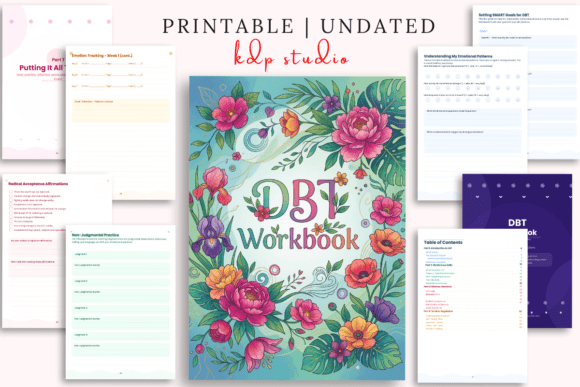
The DBT Workbook is a transformative resource designed to help individuals navigate the complexities of emotional regulation and build resilience in daily life. Rooted in Dialectical Behavior Therapy (DBT), this 118-page workbook offers a structured approach to developing mindfulness, distress tolerance, emotion regulation, and interpersonal effectiveness skills. Whether you're managing intense emotions, seeking better communication strategies, or striving for greater peace of mind, the DBT Workbook provides a practical roadmap for achieving emotional balance and stability.
Understanding the Role of the DBT Workbook in Emotional Wellness
The DBT Workbook is not just a collection of exercises; it's a comprehensive guide that integrates psychological principles with actionable steps. It serves as an essential tool for anyone looking to improve their emotional wellness by learning how to manage overwhelming feelings, build healthier relationships, and live more fully in the present moment.
This workbook is particularly useful when integrated into personal development routines or used alongside other therapeutic interventions. It can be employed before, during, or after various life events—whether you're preparing for a major decision, navigating a challenging project, or simply aiming to enhance your overall well-being.
What’s Inside the DBT Workbook
The DBT Workbook is divided into several sections, each focusing on a specific aspect of emotional wellness. These sections are carefully structured to guide users through the process of self-discovery and skill-building.
Part 1: Introduction to DBT – The Foundations
This section introduces the core concepts of DBT, including the Biosocial Theory, which explains how biological and social factors contribute to emotional dysregulation. Understanding these foundations helps users appreciate how DBT balances acceptance with change, creating a framework for sustainable growth.
A dedicated space is provided for defining personal goals and intentions. This allows users to tailor their journey toward emotional wellness based on their unique needs and aspirations.
Part 2: Mindfulness Skills – What Mind Am I In?
Mindfulness is a cornerstone of DBT, and this section explores the three primary states of mind: Reasonable Mind, Emotion Mind, and Wise Mind. By recognizing these states, users can learn to observe their thoughts and feelings without judgment, fostering greater awareness and control over their reactions.
The How and What Skills section teaches users to practice observing, describing, and participating in life with full attention. These skills promote non-judgmental awareness and one-mindful engagement, which are crucial for reducing emotional overwhelm and enhancing mental clarity.
Part 3: Distress Tolerance – Crisis Survival
Distress tolerance skills are vital for managing intense emotions and crises. This section introduces the TIPP skills—Temperature, Intense Exercise, Paced Breathing, and Paired Muscle Relaxation—as effective techniques for calming the body and mind during overwhelming moments.
Radical Acceptance Exercises are also included to help users stop fighting reality and instead embrace the present moment. These exercises encourage users to accept situations without judgment, reducing the emotional struggle associated with difficult circumstances.
Integrating the DBT Workbook into Daily Life
The DBT Workbook is highly adaptable and can be seamlessly integrated into various aspects of life. For professionals, it can serve as a tool for managing stress during high-pressure projects or client interactions. Entrepreneurs may find it helpful in navigating business challenges and maintaining emotional balance while building their ventures.
For educators, bloggers, and creatives, the workbook can be used as part of a broader self-care routine, ensuring that emotional wellness supports productivity and creativity. Small business owners might benefit from using it to handle the unpredictability of running a business while maintaining personal well-being.
Practical Implementation Tips
To maximize the benefits of the DBT Workbook, consider setting aside dedicated time each day for practice. Begin with short sessions and gradually increase the duration as you become more comfortable with the skills being taught.
It's also beneficial to track progress using the workbook’s built-in reflection sections. This helps users identify patterns, celebrate small victories, and adjust their approach as needed. Pairing the workbook with other resources such as meditation apps, journaling tools, or therapy sessions can further enhance its effectiveness.
Compatibility with Other Tools and Resources
The DBT Workbook complements a wide range of tools and resources. For instance, it can be used alongside mindfulness apps like Headspace or Calm to reinforce the practice of mindfulness. It also works well with journaling platforms such as Day One or Evernote, allowing users to document their experiences and insights effectively.
Additionally, the workbook can be integrated into group settings, such as support groups or workshops, where participants can share their experiences and learn from one another. This collaborative approach enhances the learning process and fosters a sense of community and accountability.
Long-Term Use and Consistency
Consistency is key to reaping the long-term benefits of the DBT Workbook. Establishing a regular practice schedule ensures that the skills learned are internalized and become second nature over time. It's important to remain patient and flexible, as progress may vary depending on individual circumstances and commitment levels.
Regular review of the workbook’s content can help users stay engaged and motivated. Setting reminders or using digital calendars can aid in maintaining a consistent routine. Additionally, revisiting earlier sections periodically reinforces foundational knowledge and builds upon previous learning.
Conclusion
The DBT Workbook is more than just a set of exercises—it's a powerful tool for achieving emotional wellness and building resilience. By integrating its teachings into daily life, users can develop essential skills for managing emotions, improving communication, and finding peace in the present moment. Whether used independently or in conjunction with other resources, the DBT Workbook offers a structured path toward stability, growth, and a more balanced life.