Fun Science Experiments for Kids STEM: Spark Curiosity and Learning Through Hands-On Play
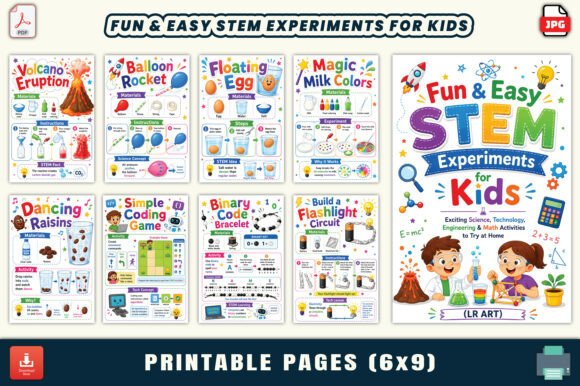
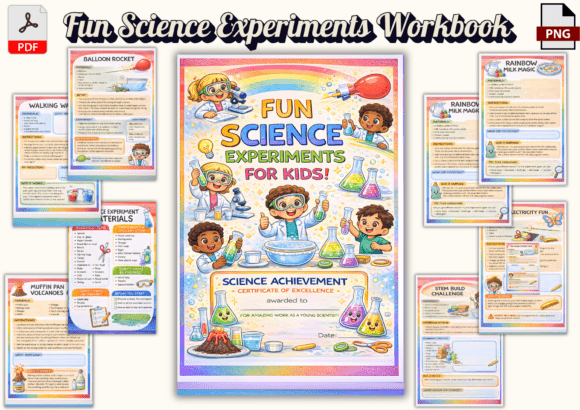
Science is more than just textbooks and lectures—it's about discovery, experimentation, and hands-on learning. For young minds, engaging in Fun Science Experiments for Kids STEM can be a gateway to understanding the world around them while having fun. This interactive science workbook is designed to make learning feel like play, offering 14 hands-on experiments that encourage creativity, critical thinking, and curiosity.
Whether you're a parent, teacher, or homeschool educator, this workbook provides a structured yet flexible way to introduce children to basic scientific principles using simple materials found at home. With 16 beautifully designed pages and high-resolution digital files, it’s easy to print and use for classroom activities, rainy-day fun, or educational gifts for curious kids aged 5–9.
What Makes Fun Science Experiments for Kids STEM Unique?
The beauty of Fun Science Experiments for Kids STEM lies in its simplicity and accessibility. Unlike complex lab equipment, these experiments require everyday items like baking soda, vinegar, food coloring, and plastic bottles. This makes it an ideal resource for families who want to explore science without the need for specialized tools or expensive materials.
Each experiment comes with clear step-by-step instructions and kid-friendly explanations, ensuring that even those new to STEM can guide their children through the process. The workbook also includes a scientist reflection certificate page, which helps reinforce the learning experience by encouraging children to think about what they've discovered.
Common Mistakes When Choosing Science Activities for Kids
While the idea of hands-on science is appealing, there are common pitfalls that parents and educators may overlook when selecting resources. One frequent mistake is choosing activities that are too advanced for a child's developmental stage. It's important to match the complexity of the experiment with the child's age and ability level.
Another common oversight is not considering the availability of materials. Some science kits or workbooks assume access to specific supplies that might not be readily available in every household. A good resource should offer flexibility, allowing for substitutions or adaptations based on what's on hand.
Additionally, some parents may focus solely on the "fun" aspect of science without emphasizing the importance of structure and guidance. While play is essential, it's equally important to ensure that children understand the scientific concepts behind each experiment.
How to Avoid Common Pitfalls in STEM Learning
To maximize the benefits of Fun Science Experiments for Kids STEM, it's crucial to approach the learning process with intentionality. Start by reviewing the experiments and ensuring they align with your child's interests and abilities. If an experiment seems too challenging, consider simplifying it or breaking it down into smaller steps.
Also, take time to explain the underlying scientific principles in simple terms. Encourage questions and discussions to help your child make connections between the experiment and real-world applications. This not only enhances comprehension but also builds confidence in their ability to think critically and solve problems.
Lastly, don't forget to create a safe and supportive environment for exploration. Allow your child to make mistakes and learn from them. Science is all about trial and error, and a positive attitude toward failure can foster resilience and a lifelong love of learning.
Why Parents and Educators Love Fun Science Experiments for Kids STEM
Many parents and teachers have praised Fun Science Experiments for Kids STEM for its ease of use and effectiveness in engaging young learners. The use of household materials ensures that no special purchases are needed, making it a cost-effective option for families and schools alike.
Its clear instructions and visual appeal make it particularly well-suited for early learners who may struggle with abstract concepts. The workbook also encourages active participation, helping children develop fine motor skills, problem-solving abilities, and an appreciation for the scientific method.
Moreover, the inclusion of a variety of topics—from chemical reactions to plant science—ensures that children are exposed to multiple areas of STEM, broadening their knowledge and interests over time.
Getting the Most Out of Your Science Workbook
To fully benefit from Fun Science Experiments for Kids STEM, it's important to approach each activity with enthusiasm and patience. Set aside dedicated time for experiments, and be prepared to assist your child as needed. Keep a journal or notebook to record observations and results, which can serve as a valuable reference for future learning.
Consider incorporating the experiments into a larger curriculum or theme-based learning unit. For example, if your child is studying weather, you could focus on experiments related to air pressure or water cycles. This helps reinforce concepts across different subjects and promotes a deeper understanding.
Finally, remember that the goal of these activities is not just to complete the experiment but to inspire a sense of wonder and curiosity. By fostering a love of science early on, you're setting your child up for a lifetime of exploration and discovery.