The Habits Workbook: A Practical Guide to Building Better Habits
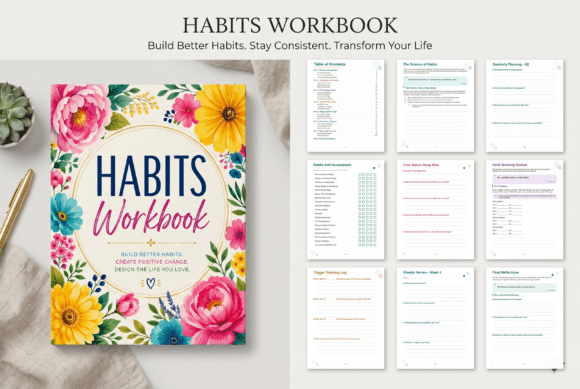
The Habits Workbook is a structured approach designed to help individuals understand, track, and improve their daily routines. It serves as both a tool and a framework for those looking to build productive habits or break unproductive ones. Whether you're an entrepreneur trying to maintain focus, a freelancer aiming to increase output, or someone simply seeking better organization in your personal life, the Habits Workbook can be a valuable addition to your routine.
This article explores how the Habits Workbook fits into broader processes, provides practical examples of its use, and explains how it integrates with other tools and strategies for habit formation.
Understanding the Science Behind Habit Formation
Before diving into the specifics of the Habits Workbook, it's important to understand the science that underpins habit formation. The Habit Loop, as described by Charles Duhigg in The Power of Habit, consists of three components: a Cue, a Routine, and a Reward. Every habit follows this cycle, making it possible to change behavior through targeted interventions.
The Basal Ganglia, a region in the brain responsible for pattern recognition and memory, plays a crucial role in forming habits. Once a habit is established, it becomes automatic, requiring less conscious effort over time. This process is facilitated by Neuroplasticity, which allows the brain to rewire itself through repetition and consistent practice.
The 66-Day Rule and the Power of Consistency
Contrary to popular belief, forming a new habit takes longer than 21 days. Research suggests that it generally takes around 66 days to solidify a new behavior. This timeframe highlights the importance of consistency and patience when working through the Habits Workbook.
Using the workbook consistently over this period helps reinforce new behaviors and ensures they become part of your daily routine. The key is to treat habit formation as a long-term commitment rather than a short-term fix.
Strategies for Building New Habits with the Habits Workbook
The Habits Workbook incorporates several proven strategies to help users build better habits. One of the most effective is Habit Stacking, which involves linking a new habit to an existing one using the formula: "After I [Current Habit], I will [New Habit]." For example, "After I brush my teeth, I will do five minutes of meditation."
Another useful strategy is the Two-Minute Rule, which encourages users to scale down new habits so they take less than two minutes to perform. Instead of committing to a full workout, start with something simple like putting on running shoes. This reduces friction and increases the likelihood of following through.
Environment Design and Implementation Intentions
The environment plays a significant role in habit formation. By making cues for good habits visible and reducing obstacles, you can create an environment that supports your goals. The Habits Workbook includes prompts to help users assess and optimize their surroundings for success.
Implementation Intentions are another powerful tool included in the workbook. These involve creating specific plans by stating, "I will [Behavior] at [Time] in [Location]." This technique increases the chances of following through by setting clear expectations and timelines.
Practical Workflow Integration
The Habits Workbook is versatile and can be used before, during, or after various activities. Here are some scenarios where it can be particularly useful:
- Before a project: Use the workbook to set up a plan that outlines the habits needed to complete the project successfully.
- During a creative process: Track progress and identify any habits that may be hindering productivity.
- After a purchase: Establish habits that support the effective use of a new product or service.
Whether you're launching a new business, learning a skill, or pursuing a personal goal, the Habits Workbook can be adapted to fit your needs. Its flexibility makes it a valuable resource across different contexts and industries.
Temptation Bundling and Other Techniques
Temptation Bundling is another technique featured in the Habits Workbook. It involves pairing a habit you need to do with one you want to do. For example, listening to your favorite podcast while exercising can make the activity more enjoyable and increase adherence.
In addition to these techniques, the workbook also includes space for tracking progress, reflecting on outcomes, and adjusting strategies as needed. This reflective component is essential for long-term success and helps users stay motivated throughout the habit-building process.
Integration with Other Tools and Resources
The Habits Workbook works well alongside other productivity tools such as task managers, planners, and habit-tracking apps. It can be used in conjunction with calendars, goal-setting frameworks, and even coaching sessions to provide a comprehensive approach to habit formation.
By integrating the workbook into your workflow, you can ensure that your habit-building efforts are aligned with your broader goals and priorities. This holistic approach increases the effectiveness of your efforts and helps you achieve sustainable results.
Long-Term Use and Quality Control
For the best results, the Habits Workbook should be used consistently over time. Regular reflection and adjustment are necessary to ensure that your habits remain relevant and effective. This ongoing process helps maintain quality control and ensures that your efforts are producing the desired outcomes.
It's also important to consider factors such as preparation, compatibility, and usability when using the workbook. Ensuring that your habits align with your lifestyle and schedule can significantly impact your success rate.
Final Thoughts
The Habits Workbook offers a structured yet flexible approach to building better habits and breaking bad ones. By understanding the science behind habit formation and applying proven strategies, users can create lasting changes in their daily routines.
Whether you're looking to improve your productivity, enhance your health, or achieve personal growth, the Habits Workbook can be a powerful tool in your journey. With consistent use and thoughtful integration, it can help you form the habits that lead to long-term success and fulfillment.