The Ultimate Trauma Recovery Prompt Collection: A Guide to Healing and Self-Discovery
Trauma recovery is a deeply personal journey, often requiring more than just professional guidance. For many individuals, structured self-reflection tools can serve as essential companions in navigating the complex emotional terrain that trauma leaves behind. The Ultimate Trauma Recovery Prompt Collection offers a unique blend of introspection, education, and actionable steps designed to support healing from within. This comprehensive workbook is tailored for those ready to confront their past, understand their emotions, and begin rebuilding their lives with clarity and purpose.
Unlike generic self-help books or generic journaling exercises, this collection is crafted specifically for trauma recovery. It provides a structured yet flexible framework that allows users to explore their experiences at their own pace. Whether you're dealing with past pain, seeking personal growth, or aiming to develop a healthier mindset, the prompts are designed to guide you through each stage of your healing process.
What Makes the Ultimate Trauma Recovery Prompt Collection Unique?
The Ultimate Trauma Recovery Prompt Collection stands out due to its thoughtful design and focus on deep self-reflection. Each section is created to help users understand the nature of trauma, its impact on their lives, and how it shapes their thoughts, behaviors, and emotional responses. Unlike other resources that may offer general advice or quick fixes, this workbook dives into the nuances of trauma and provides guided reflection prompts that encourage meaningful exploration.
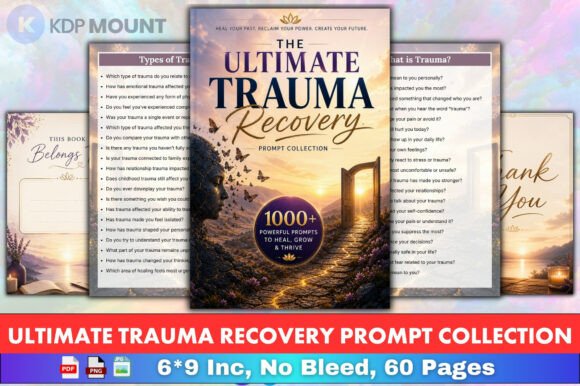
One of the most notable features is the personalized page included in the collection. This space allows users to make the journal truly their own, adding notes, sketches, or reflections that resonate with their individual journey. This level of customization enhances engagement and makes the healing process more personal and relatable.
Another key aspect is the structured approach to understanding trauma. The workbook includes sections dedicated to exploring different types of trauma, how they manifest in daily life, and the long-term effects they can have on mental health. These insights are presented in an accessible format, making it easier for users to grasp complex concepts without feeling overwhelmed.
Comparing the Ultimate Trauma Recovery Prompt Collection with Other Resources
When considering trauma recovery resources, it's important to evaluate what each option offers. Traditional therapy is often the gold standard, but not everyone has access to or feels comfortable with in-person sessions. Online courses, podcasts, and apps provide alternative avenues for healing, but they may lack the depth and personalization that some individuals need.
The Ultimate Trauma Recovery Prompt Collection sits between these options by offering a middle ground—structured guidance without the need for external facilitation. It's particularly useful for those who prefer self-directed healing but still want a clear roadmap to follow. Compared to generic journaling practices, this collection provides specific prompts that are tailored to trauma recovery, ensuring that each exercise is relevant and impactful.
For example, while many self-help journals ask broad questions like "What are you grateful for?" the prompts in this collection are more targeted, such as "What emotions arise when you think about your childhood home?" or "How does your body react when you encounter certain situations?" This specificity helps users uncover deeper layers of their experience and fosters more meaningful insights.
Strengths and Limitations of the Ultimate Trauma Recovery Prompt Collection
The strengths of the Ultimate Trauma Recovery Prompt Collection lie in its ability to facilitate self-awareness and emotional processing. It encourages users to identify triggers, understand emotional patterns, and reconnect with their inner child—all critical components of trauma recovery. The structured format ensures that users don't feel lost or unsure of where to start, which can be a common challenge when beginning the healing process.
However, it's important to recognize that this resource is not a substitute for professional help. While it can be a valuable tool for self-guided healing, severe or complex trauma may require the expertise of a licensed therapist. Additionally, the effectiveness of the prompts depends largely on the user's willingness to engage deeply with the material and commit to the process over time.
Another limitation is the potential for discomfort when confronting painful memories or emotions. Some users may find certain prompts triggering, especially if they haven't built up the emotional resilience needed to process them. It's crucial to approach the workbook with care and consider using it alongside other coping strategies or support systems.
Who Is the Ultimate Trauma Recovery Prompt Collection Best Suited For?
The Ultimate Trauma Recovery Prompt Collection is ideal for individuals who are ready to take an active role in their healing journey. It's particularly beneficial for those who have already begun exploring trauma recovery and are looking for a structured way to deepen their self-reflection. This resource is well-suited for adults aged 20–50 who are comparing options for healing and want a practical, accessible tool that complements other methods.
If you're someone who prefers working independently or has limited access to therapy, this workbook can serve as a powerful supplement. It's also a great fit for people who are interested in personal growth and emotional resilience, even if they haven't experienced significant trauma. The prompts are designed to help users build a stronger relationship with themselves, regardless of their current emotional state.
On the other hand, if you're experiencing acute distress or have not yet established a safe environment for self-reflection, it may be wise to seek additional support before diving into this type of work. In such cases, combining the workbook with professional guidance could provide a more balanced and effective approach.
Realistic Examples of How the Workbook Can Be Used
Imagine a person named Sarah who has been struggling with anxiety and emotional instability since her teenage years. She decides to use the Ultimate Trauma Recovery Prompt Collection as part of her healing process. Through the guided prompts, she begins to identify patterns in her behavior and emotions that she hadn't noticed before. For instance, she realizes that certain situations trigger feelings of shame, which leads her to explore the root causes of these emotions.
Another example is John, who is going through a period of personal growth after a difficult divorce. He uses the workbook to reflect on his past relationships and how they shaped his current beliefs about love and trust. The prompts help him gain clarity about his needs and set healthier boundaries moving forward.
These examples illustrate how the workbook can be adapted to various situations and needs. Whether used as a standalone resource or in conjunction with other healing methods, it offers a flexible and supportive framework for anyone seeking to transform their inner world.
In conclusion, the Ultimate Trauma Recovery Prompt Collection is a valuable resource for those committed to their healing journey. It provides a structured yet adaptable approach to self-reflection, helping users understand their trauma, process their emotions, and rebuild their lives with strength and purpose. While it may not be suitable for everyone, it offers a meaningful complement to other healing practices and can be a powerful tool for those ready to embrace transformation.