Distress Tolerance Toolkit Workbook
Managing intense emotions is a challenge many face, especially in today's fast-paced world. The Distress Tolerance Toolkit Workbook offers a structured and supportive way to build emotional resilience and coping skills. This workbook is designed for anyone looking to improve their ability to handle stress, manage overwhelming feelings, and develop healthier habits for emotional regulation.
Inspired by the principles of Dialectical Behavior Therapy (DBT), this workbook provides practical tools that are both accessible and effective. Whether you're dealing with anxiety, depression, or simply seeking ways to enhance your emotional awareness, this resource can be a valuable addition to your mental wellness journey.
What Is the Distress Tolerance Toolkit Workbook?
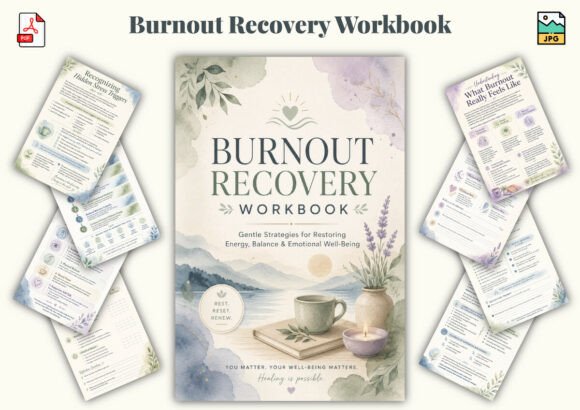
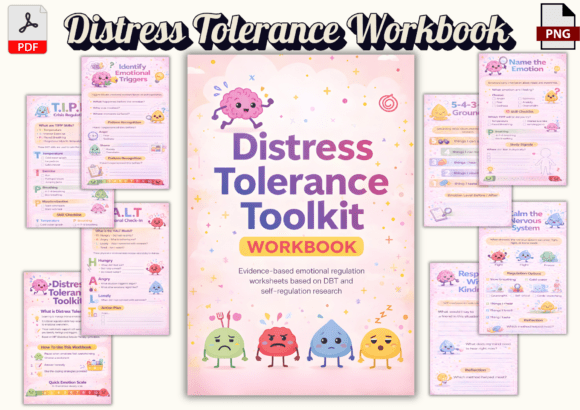
The Distress Tolerance Toolkit Workbook is a comprehensive guide that includes 20 beautifully designed pages filled with worksheets, exercises, and reflections aimed at helping individuals understand and manage their emotions more effectively. It is available in high-resolution PDF format and includes PNG files for flexible printing and digital use, making it easy to incorporate into daily routines.
This workbook is not just a collection of exercises; it is a roadmap to emotional regulation. Each page is crafted with a calming and visually engaging layout, ensuring that users feel supported throughout their journey. The content is based on evidence-based practices from DBT, which has been shown to be effective in treating a range of emotional and behavioral issues.
Key Features and Benefits
One of the standout features of the Distress Tolerance Toolkit Workbook is its variety of topics covered. From HALT emotional awareness to crisis prevention planning, each section is designed to help users explore different aspects of their emotional experience. Here are some of the key components included:
- HALT Emotional Awareness: Learn to recognize when you're Hungry, Angry, Lonely, or Tired — all common triggers for emotional distress.
- TIPP Crisis Regulation Skills: Use techniques like Temperature, Intense Exercise, Paced Breathing, and Pausing to manage acute distress during a crisis.
- Trigger Identification: Identify personal triggers that lead to emotional dysregulation and develop strategies to cope with them.
- Thought Pattern Awareness: Understand how thoughts influence emotions and practice challenging negative thought patterns.
- Grounding Exercises: Engage in activities that bring you back to the present moment, reducing anxiety and overwhelm.
- Sensory Regulation: Explore how sensory experiences can be used to calm the nervous system and regulate emotions.
- Daily Emotional Tracking: Keep a record of your emotions throughout the day to identify patterns and make informed decisions about your well-being.
These features are not only useful for individuals working on self-awareness and emotional resilience but also for professionals who need to maintain composure under pressure. For example, entrepreneurs and business owners may find these tools helpful in managing stress related to work demands, while educators can use them to support students' emotional development.
Practical Applications Across Different Environments
The Distress Tolerance Toolkit Workbook is versatile enough to be applied in various settings. In a professional environment, it can serve as a tool for stress management and emotional regulation, helping individuals stay focused and productive. For creators and marketers, it can aid in maintaining a balanced mindset when facing creative blocks or project deadlines.
In educational settings, teachers and counselors can use this workbook to support students in developing emotional regulation skills. It can be incorporated into school programs or used as a supplemental resource for students struggling with anxiety or emotional challenges.
For those interested in personal growth, the workbook offers a structured approach to self-reflection and skill building. It encourages users to explore their emotional landscape and develop personalized coping strategies that align with their unique needs and goals.
Real-World Examples and Recommendations
Imagine an entrepreneur who is feeling overwhelmed by the pressures of running a business. By using the Distress Tolerance Toolkit Workbook, they can identify their emotional triggers, practice grounding techniques, and develop a crisis prevention plan to manage stressful situations more effectively. This can lead to improved decision-making and overall well-being.
A teacher might use the workbook to help students navigate difficult emotions, such as frustration or anxiety, by incorporating grounding exercises and self-compassion practices into classroom activities. This can create a more supportive learning environment and foster emotional resilience among students.
When selecting and implementing the Distress Tolerance Toolkit Workbook, it's important to consider individual needs and preferences. Users should take time to review the contents and choose the exercises that resonate most with them. Regular practice and reflection are essential to fully benefit from the tools provided.
Overall, the Distress Tolerance Toolkit Workbook is a valuable resource for anyone looking to enhance their emotional regulation skills. Its combination of practical exercises, evidence-based techniques, and engaging design makes it an excellent choice for individuals across various walks of life.